

Today capturing attention is a constant battle. Brands and businesses fight for eyeballs in a crowded online space, vying for that coveted “viral” moment that can propel them to unforeseen heights. But achieving virality can feel like chasing a unicorn, elusive and unpredictable. This leaves marketers with a crucial question: should they focus on paid marketing strategies or chase the dream of organic tendency to viral?
The answer, like most things in marketing, is not a simple binary. Paid marketing offers a direct path to reach a targeted audience, while viral content promises exponential organic growth.So what to do let’s find out!
Two popular strategies that often come into play are paid marketing and leveraging the latest trends to make content go viral. While both approaches aim to increase visibility and attract customers, they operate on different principles and can yield varying results. Let’s glance at each method to determine which might be the best fit for your brand. First, what is paid marketing?
Paid marketing involves allocating a budget to promote content through various channels such as social media advertising, pay-per-click (PPC) campaigns, and sponsored content placements. The primary advantage of paid marketing is its ability to deliver immediate results by targeting specific demographics and interests .

With paid marketing, businesses can precisely target their desired audience based on demographics, interests, and online behavior. This ensures that the content reaches those most likely to engage with it, thereby maximizing the return on Investment (ROI).

One of the key benefits of paid marketing is its ability to generate instant visibility. By investing in advertisements, businesses can bypass the organic growth process and immediately place their content in front of potential customers.

Paid marketing offers scalability, allowing businesses to adjust their budget and campaign parameters based on performance metrics. This flexibility enables optimization in real-time, ensuring that resources are allocated efficiently.

In contrast to paid marketing, leveraging the latest trends to make content go viral relies on creating highly shareable and engaging content that resonates with audiences. This approach capitalizes on current events, cultural phenomena, and emerging trends to capture attention and drive organic reach.

Content that taps into the latest trends has the potential to spark authentic engagement from audiences who resonate with its relevance. By aligning with popular topics or movements, brands can foster a sense of connection and community among their followers.

Unlike paid marketing, leveraging trends for viral content often requires minimal financial Investment. While there may be costs associated with content creation and distribution, the organic reach generated through shares and engagement can far outweigh the initial expenses.

Viral content has the potential for long-term impact, as it can continue to gain traction and visibility even after its initial surge in popularity. By creating content that resonates with audiences on a deeper level, brands can establish a lasting connection that extends beyond a single campaign.
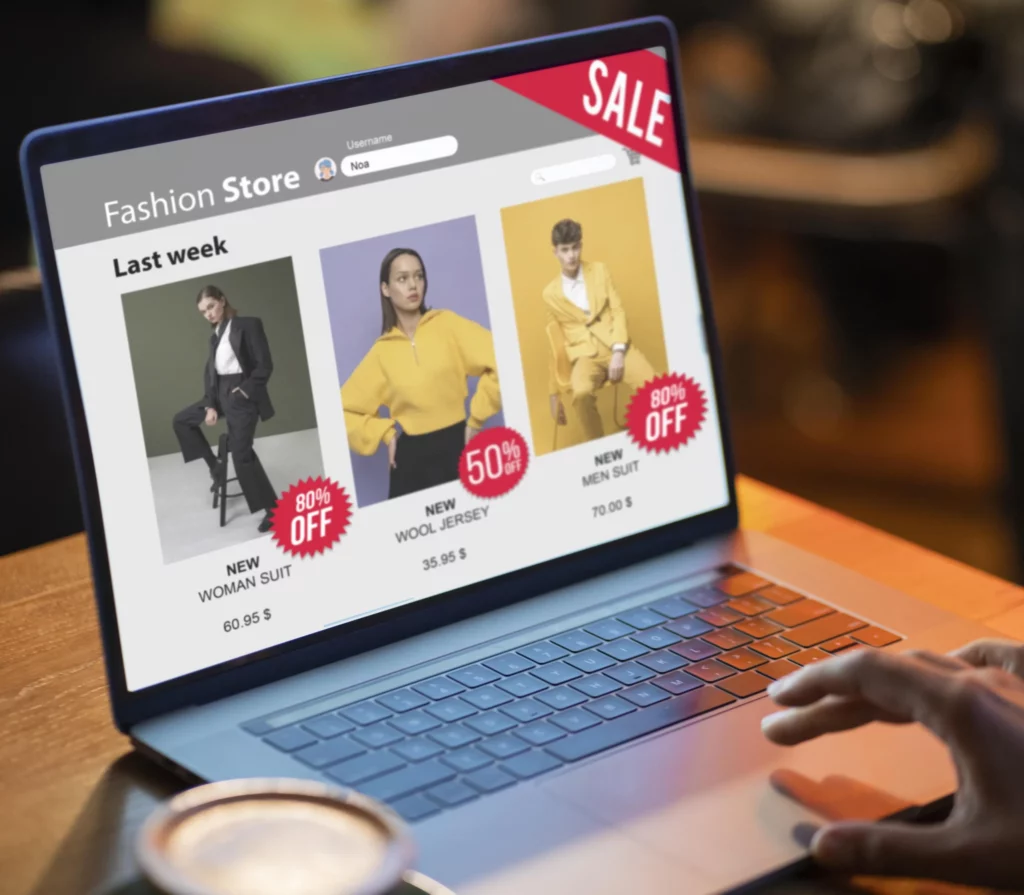
While paid marketing and leveraging trends for viral content offer distinct advantages, the most effective approach for businesses often lies in finding the right balance between the two strategies. By integrating elements of both paid promotion and organic content creation, brands can maximize their reach and engagement potential.

Combining paid marketing with content that leverages the latest trends can amplify results by harnessing the strengths of each approach. For example, businesses can use paid advertising to amplify the reach of trending content, thereby increasing its visibility and engagement.

Utilizing data-driven insights is essential for optimizing both paid marketing campaigns and viral content strategies. By analyzing metrics such as audience demographics, engagement rates, and conversion metrics, businesses can refine their approach and allocate resources more effectively.

In today's fast-paced digital landscape, agility and adaptability are crucial for success. Brands must remain responsive to changes in consumer behavior, emerging trends, and evolving algorithms to stay ahead of the competition.

Both paid marketing and leveraging trends for viral content offer valuable strategies for increasing visibility and engagement in the digital empire. While paid marketing provides immediate reach and targeting capabilities, viral content leverages authenticity and cultural relevance to drive organic engagement.
For brands seeking to maximize their online presence, the key lies in striking the right balance between these two approaches. By integrating elements of paid promotion with content that taps into the latest trends, businesses can create a synergistic strategy that amplifies results and fosters long-term growth.
In the dynamic landscape of digital marketing, adaptation and innovation are paramount. Whether through paid advertising or viral content creation, the goal remains the same: to connect with audiences in meaningful ways and drive tangible results for your business.
Ecomifide does not guarantee financial results. The “Ecomifide Platform Guarantee” is intended to provide estimates based on platform data and trends but does not promise individual profit or success. Results may be influenced by real-time changes in market demand, product availability, competition, and overall economic conditions. Success depends on multiple factors including user participation, chosen store/channel, product selection, market timing, and how closely strategies are followed. Actual earnings may vary from provided estimates.
Any case studies, user experiences, or testimonials shared on the Ecomifide website reflect potential—not typical—outcomes based on specific circumstances and past data. Individual results will differ due to variables like market shifts, advertising effectiveness, competitive landscape, and user activity. Users are advised to rely on these examples at their own discretion.
The sales figures stated on this page and discussed in the training curriculum are our personal sales figures and in some cases the sales figures of previous or existing clients. Please understand these results are not typical. We’re not implying you’ll duplicate them (or do anything for that matter). The average person who buys “how to” information gets little to no results. We’re using these references for example purposes only. Your results will vary and depend on many factors including but not limited to your background, experience, and work ethic. All business entails risk as well as massive and consistent effort and action. If you’re not willing to accept that, please DO NOT PURCHASE .